Marina Locksmiths Service Team
Local locksmith team
Jun 17, 2026 11 min read
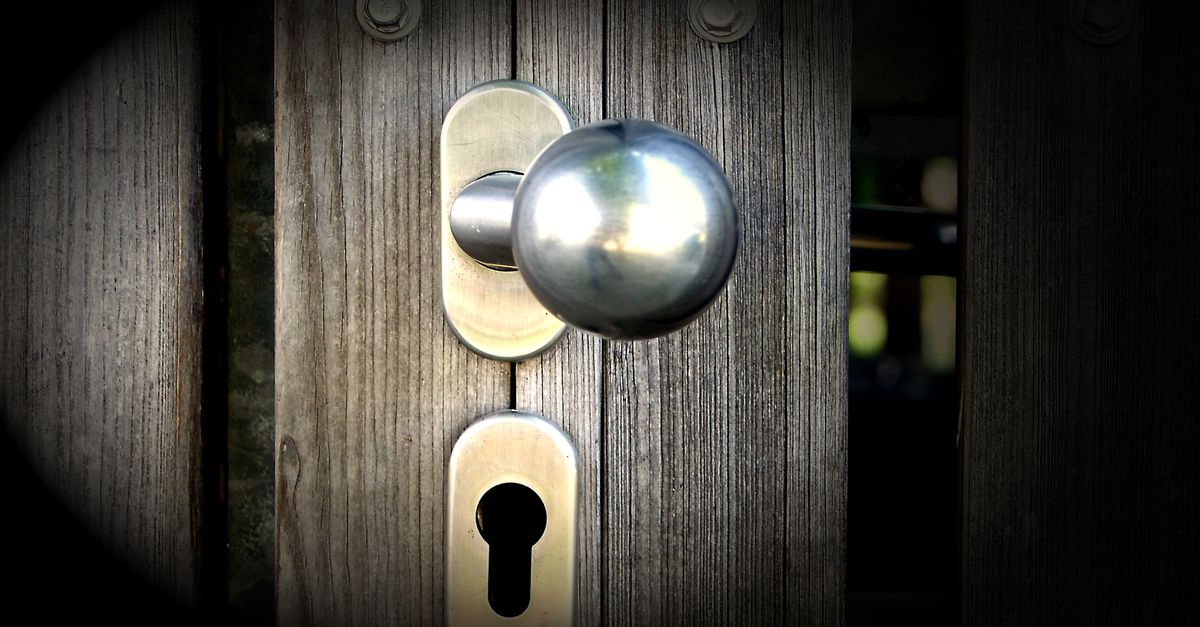
If you live in a pre-war brownstone off Victory Boulevard or a century-old Colonial near Snug Harbor, there is a good chance the lock on your front door is unlike anything you will find at a big-box hardware store. Instead of a simple knob-and-deadbolt combo, you may have a heavy, rectangular mechanism recessed deep into the door edge — a mortise lock. These locks were the gold standard for decades, and many of them are still doing their job today. But older hardware eventually needs attention, and knowing what you have is the first step toward deciding whether to repair it, re-key it, or replace it entirely.
This guide is written specifically for Staten Island homeowners and renters who want straight answers about their door hardware — no jargon, no upsell. We will walk you through what a mortise lock actually is, how to identify one, how it compares to a cylinder lock, and when it makes sense to call a professional locksmith. Whether you are locked out on a Sunday morning or just noticed your old lock is grinding, this is the practical reference you need.
## What Is a Mortise Lock — and Why Do So Many Staten Island Homes Have Them?
A mortise lock is a lock mechanism that is installed inside a pocket — called the mortise — cut directly into the body of the door. Unlike a cylindrical lockset that sits in a bored hole near the door face, a mortise lock set is a self-contained unit: it houses the latch, the deadbolt, and sometimes a privacy function all in one metal case. That case is mortised flush into the door edge, which is why the hardware feels so solid and sits so tight. On the outside of the door you typically see an escutcheon plate (the decorative backplate), a keyhole, and sometimes a separate knob or lever.
Staten Island has some of the oldest residential housing stock in New York City. Neighborhoods like St. George, Stapleton, and New Brighton are full of homes built between the 1890s and the 1950s, and those homes were almost universally fitted with mortise locks because that was the standard of the era. Brands like Corbin Russwin and Baldwin built mortise lock sets that were designed to last generations — and many of them have. If you are in an older home and your front door has a long, narrow brass plate with a keyhole below the knob hole, you are almost certainly looking at a mortise lock.
## Mortise Lock vs. Cylinder Lock: Spotting the Difference on Your Door
A cylinder lock — sometimes called a rim cylinder lock when it mounts on the surface of the door, or a tubular lock when bored through the face — is the more modern and more common format. You know the type: a deadbolt above a knob or lever, each in its own separate bored hole. Cylinder locks are easier to install and widely available, which is why they dominate new construction. The mortise lock, by contrast, requires the door to be thick enough and properly prepped. Swapping a mortise lock set on an exterior door for a cylinder setup is not simply a matter of drilling a new hole — it often means significant door modification or a new door slab entirely.
Here is a quick field test for your own door. Open the door and look at the edge facing you — the latch edge. If you see a wide, flat metal faceplate (often two inches or more across) that is mortised flush with the wood and spans a long vertical section of the door edge, that is a mortise lock. If you see two small, round faceplates — one for a latch and one for a deadbolt — you have a cylinder setup. The distinction matters because repair, re-key, and replacement options are completely different for each type, and a locksmith needs to know which one they are working with before arriving at your door.
## Repair or Replace? Common Mortise Lock Problems and What They Mean
Mortise locks are durable, but age and weather take a toll. The most frequent complaints we hear from Staten Island homeowners include a key that is stiff or hard to turn, a latch that no longer springs back fully, a deadbolt that requires lifting the handle to engage, and a mortise lock cylinder that spins without catching. Each of those symptoms points to a different internal component, and in many cases the fix is targeted: replace the cylinder, rebuild the latch mechanism, or lubricate and adjust the cam. A full lock replacement is not always necessary, and an experienced locksmith can tell you within a few minutes of inspection which route makes sense.
When the internal case itself is cracked, the faceplate is warped from a break-in attempt, or the original manufacturer no longer makes compatible parts, replacement becomes the better conversation. Brands like Corbin Russwin and Baldwin still manufacture mortise lock sets and replacement cylinders that can match or upgrade older hardware, and a skilled locksmith can source the right fit for your specific door prep. If you are unsure whether your lock is worth saving, call Marina Locksmiths at (347) 474-0837 — we can assess the hardware over the phone or come to you for an on-site evaluation.
## Emergencies Don't Follow a Schedule — What to Do When You're Locked Out
A lockout in front of your own Staten Island home is stressful at any hour, but it is especially disorienting at 2 a.m. on a weeknight or in the middle of a January nor'easter. Before you do anything else, run through the basics: check every ground-floor window you know to be secure, try the back or side door, and call a neighbor or family member who may have a spare key. These are the only self-help steps that make sense — anything beyond that risks damaging the door, the lock, or your own safety, and it can make the locksmith's job harder when they arrive.
If those options come up empty, call a professional. Marina Locksmiths is a 24/7 mobile locksmith serving all of Staten Island, which means we dispatch for lockouts at any hour — midnight, holidays, and everything in between. For calls that involve older mortise hardware, our team comes prepared with the tools and knowledge specific to that lock type, not just the modern cylinder sets that most people picture. When you call, we will ask a few quick questions to understand what you are working with and confirm an exact price before any work begins. The factors that shape the final quote include the type of lock, the time of day, travel distance to your location, and any parts that may be needed — we never surprise you after the fact.
Two more things worth knowing before an emergency happens: first, document your door hardware now so you can describe it accurately in a stressful moment. A photo of the escutcheon plate and the door edge takes thirty seconds and could save significant time. Second, ownership verification is a normal part of any locksmith call. Be prepared to show a government-issued ID and something that connects you to the address — a utility bill, a lease, a piece of mail. Any professional locksmith will ask, and it is a sign of a trustworthy operation, not an obstacle.
## When to Upgrade: Choosing a New Mortise Lock Set for an Exterior Door — and 25+ Services Marina Locksmiths Provides
If your inspection or lockout has led you to the conclusion that it is time for new hardware, you are not alone. Many Staten Island homeowners use a repair call as the moment to finally upgrade to a modern mortise lock set for their exterior door. Today's mortise sets offer dramatically improved pick resistance, bump resistance, and key control compared to hardware that is forty or sixty years old. Some units integrate smart-lock features while keeping the mortise format, so you get modern security without changing your door or your trim. A qualified locksmith can walk you through options that match your door thickness, your existing prep dimensions, and your security goals.
Beyond mortise lock work, Marina Locksmiths handles a full range of residential, automotive, and commercial locksmith needs across Staten Island. Our services include: residential lockout assistance, commercial lockout response, automotive lockout service, mortise lock repair and rebuild, mortise lock replacement and installation, cylinder lock installation, rim cylinder lock replacement, deadbolt installation and upgrade, lock re-keying, master key system setup, high-security lock installation, smart lock installation and programming, door knob lock repair and replacement, door hardware alignment and adjustment, lock lubrication and preventive maintenance, broken key extraction, key duplication, transponder key programming, car key fob replacement, ignition lock repair, storage unit lockout service, mailbox lock replacement, padlock opening and replacement, security assessment and consultation, access control hardware installation, and safe opening and combination changes. Whether you have a door knob lock that has finally given out or you need a Corbin Russwin mortise lock cylinder sourced and installed on a historic property, our team has the hands-on experience to handle it correctly the first time. Call (347) 474-0837 anytime — we answer 24/7.
## Local Proof: Why Marina Locksmiths Knows Staten Island Hardware
Staten Island is not Manhattan, and it is not like any other borough. The housing stock here ranges from the Victorian-era row houses along Richmond Terrace to the mid-century Cape Cods that fill the South Shore, and the lock hardware in those homes tells the history of the neighborhood. We have serviced mortise locks in Tompkinsville buildings that still carry their original 1920s Baldwin escutcheons. We have re-keyed rim cylinder lock sets in Tottenville storefronts after tenant turnover. We know that the long winter along the North Shore causes door frames to swell in ways that make a perfectly good lock suddenly feel broken — when often the fix is an adjustment, not a replacement.
That local familiarity is not something you get from a national dispatch service or a generic listing. Marina Locksmiths is based here, responds here, and understands the specific quirks of Staten Island doors — the thick old-growth frames, the oversize escutcheon plates on pre-war locks, the odd keyways that require sourcing rather than guessing. If you have questions about your hardware or want a professional set of eyes on a lock you are not sure about, we are ready to help.
Frequently asked questions
What is a mortise lock, and how do I know if I have one?+
A mortise lock is a lock mechanism housed in a rectangular case that is recessed into a pocket cut inside the door itself. To check, open your door and look at the latch edge. If you see a wide, flush metal faceplate spanning several inches vertically — rather than two small round plates — you almost certainly have a mortise lock. You may also notice a long escutcheon plate on the door face with a keyhole positioned separately from the knob or lever.
What proof do you need for a locksmith, and why do they ask?+
Any responsible locksmith will ask you to verify that you have a legitimate claim to the property or vehicle before they begin work. For a home lockout, be prepared to show a government-issued photo ID and something that links you to the address — a lease agreement, a utility bill, or an official piece of mail. For a vehicle, the car's registration or title works alongside your ID. This is standard practice and protects everyone involved. If a locksmith does not ask for any verification, that is actually a warning sign, not a convenience.
What are common reasons to call a locksmith — beyond just being locked out?+
Lockouts get the most attention, but they are far from the only reason to call. Common service calls include: re-keying after moving into a new home or after losing a key, replacing a worn or broken mortise lock cylinder, upgrading aging door hardware for better security, extracting a snapped key from a lock, programming a replacement transponder key or car key fob, repairing a door knob lock that no longer latches cleanly, setting up a master key system for a rental property, and opening a safe when the combination has been lost. If something about your lock or key is not working the way it should, a quick call can tell you whether it is a minor fix or something that needs hands-on attention.
What is a locksmith call-out fee, and what determines the final cost?+
A call-out fee — sometimes called a service or dispatch fee — covers the cost of a locksmith traveling to your location. Beyond that, the total cost of a job depends on several factors: the type and complexity of the lock being worked on (a vintage mortise lock set typically involves more labor than a standard cylinder), the time of day (after-hours and overnight calls reflect the 24/7 availability), your distance from the technician's current location, and whether any replacement parts or new hardware are needed. At Marina Locksmiths, we confirm an exact, all-in price with you before any work starts — there are no surprise charges when the job is done.