Why Vehicle Ignitions Fail — And Why It Happens When You Least Expect It
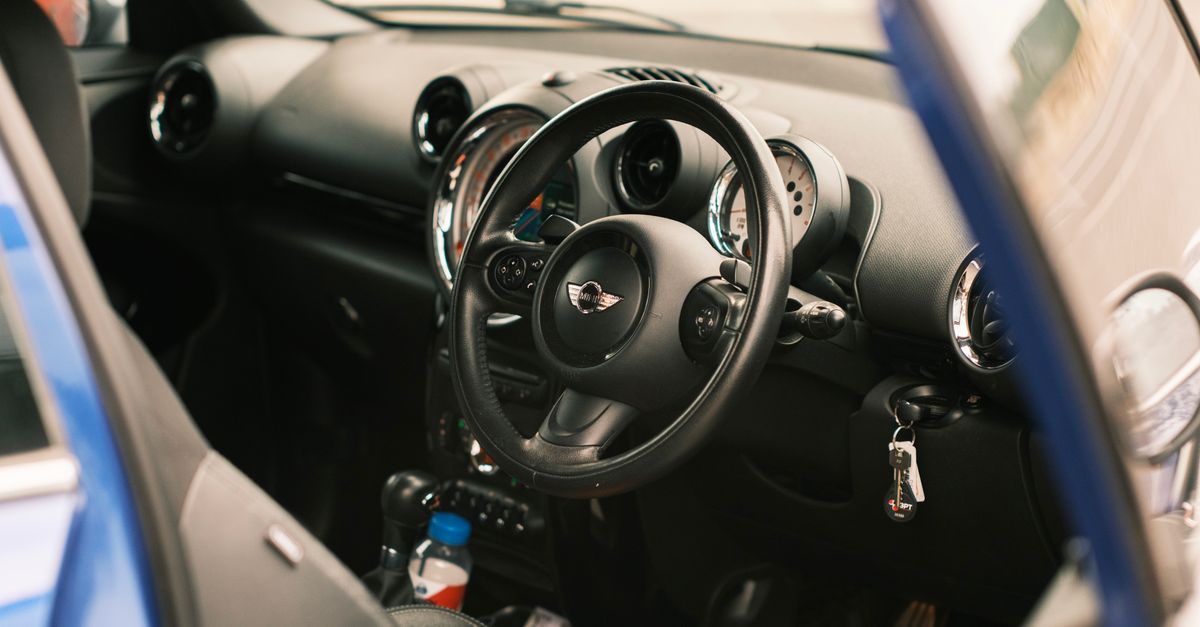
Emergencies don't follow a schedule. A worn ignition cylinder doesn't announce its failure with a warning light — it usually reveals itself at the worst possible time. The most common culprits are years of mechanical wear on the internal tumblers inside the cylinder, damage from a key that was already worn or cut incorrectly, foreign debris worked into the cylinder over time, or a key that broke off inside the lock. Cold weather can also cause lubricants inside the cylinder to thicken, making an already marginal ignition nearly impossible to turn. Staten Island winters — with the kind of damp cold that rolls in off the Kill Van Kull — are particularly unforgiving on aging ignition components.
Less commonly, ignition problems stem from a steering column lock engaging unexpectedly, a failed wafer or tumbler inside the cylinder, or damage from a prior attempted theft. In any of these situations, forcing the key is the worst thing a driver can do. Excessive torque on a failing cylinder can snap the key, damage the cylinder housing, and in some cases cause deeper electrical issues in vehicles with chip-based transponder systems. The right move is to stop, call a professional, and let a trained technician assess the situation with the proper tools before any damage is compounded.